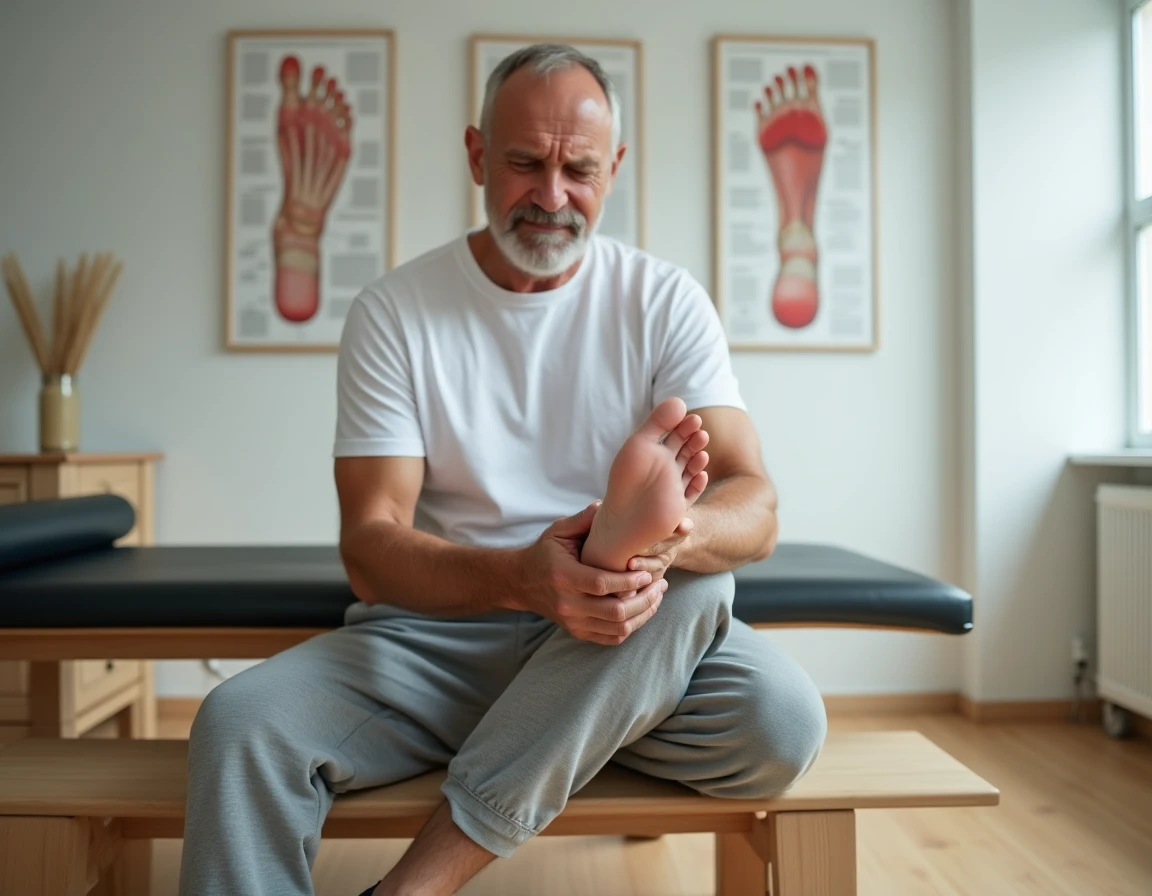
Pain under the heel upon waking, that sensation of walking on a pin, often leads to a flurry of actions to get rid of it. The problem is that some reflexes delay healing instead of speeding it up. Here are seven common mistakes that prevent a heel spur from calming down, and how to correct them.
1. Believing that the bone spur is the direct cause of the pain
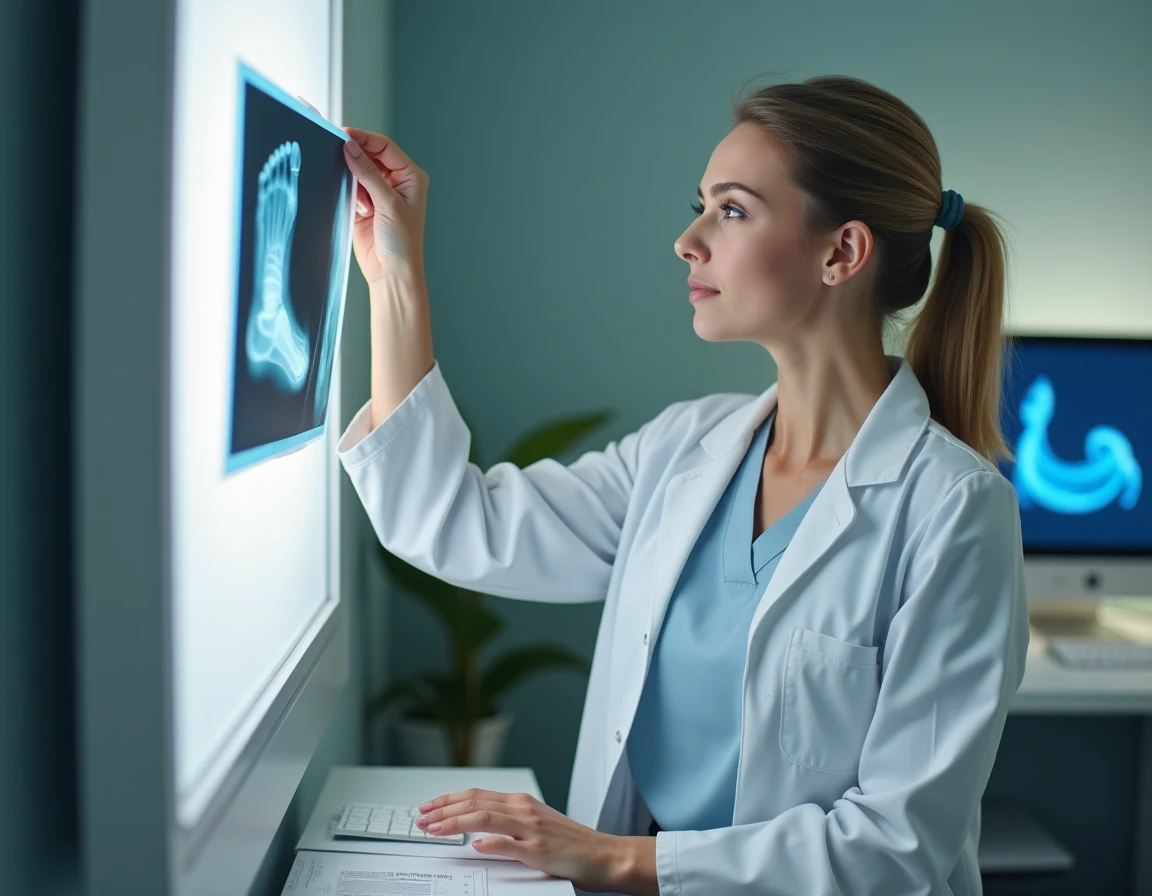
You had an X-ray, a small growth under the calcaneus was shown to you, and you think it’s the source of your pain. In the majority of cases, the pain comes from the inflamed plantar fascia, not from the spur itself. A heel spur can be visible on an X-ray while being completely asymptomatic.
Focusing all efforts on “the spur to eliminate” leads to dead ends. The real goal is to reduce mechanical stress on the plantar aponeurosis, the thick membrane stretched between the heel and the toes. As long as this inflammation persists, the pain remains, even if the spur doesn’t move a millimeter.
Understanding the mistakes to avoid when treating a heel spur helps refocus care on the fascia rather than on the radiological image.
2. Requesting an X-ray too early
The first reflex when the heel hurts: demand imaging. However, recent clinical recommendations go in another direction. Imaging is not systematic at the beginning of plantar pain. The diagnosis relies first on clinical examination, the location of the pain, and its behavior (worse in the morning, after rest).
The X-ray becomes useful when the picture is atypical, when the pain persists despite several weeks of conservative treatment, or when the doctor suspects another diagnosis. Requesting an X-ray in the first week does not change the treatment or the prognosis. It sometimes delays the implementation of simple measures that work.
3. Wearing flat and soft shoes every day
Ballet flats, flip-flops, canvas shoes without structure: these worsen plantar fasciitis over time. Wearing inappropriate shoes remains a major factor in maintaining the pain. The fascia needs support under the arch and proper cushioning under the heel.
A rigid shoe at the back, with a slight drop (difference in height between heel and forefoot), reduces tension on the aponeurosis with every step. Walking barefoot on tile in the morning does exactly the opposite. Even before discussing orthotic insoles, choosing the right daily shoe is the first lever of action.
4. Neglecting calf and fascia stretches
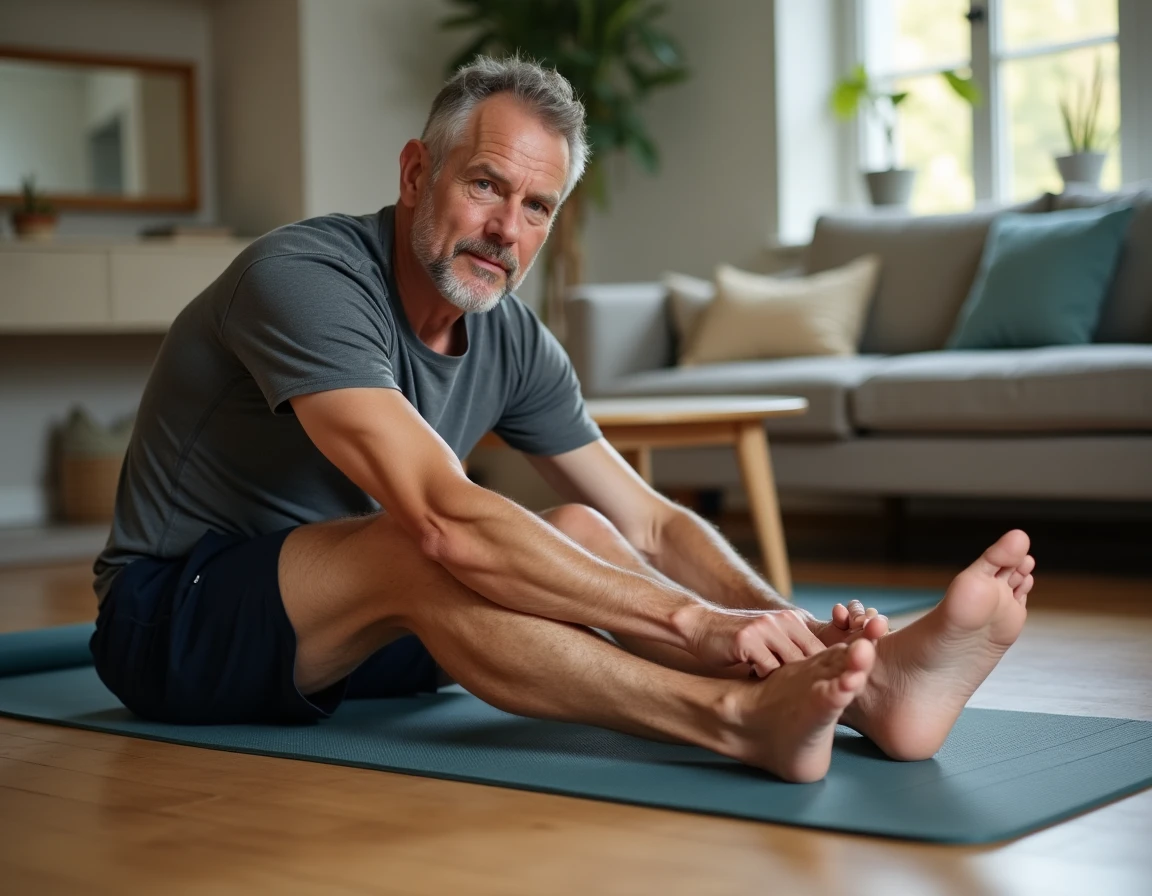
Many people settle for wearing an insole without ever stretching. The plantar aponeurosis is directly continuous with the Achilles tendon and the calf muscles. A tight calf increases the pull on the fascia with each step.
Two types of stretches help significantly:
- Calf stretch against a wall, with the knee straight then bent, held for about thirty seconds, repeated several times a day
- Rolling a ball under the arch (a tennis ball or a frozen water bottle), which loosens the fascia while reducing local inflammation
- Specific fascia stretch: pulling the toes toward the tibia in the morning before placing the foot on the ground
Practicing these stretches every morning before the first step reduces the pain of weight-bearing, the one that feels like walking on a nail.
5. Relying on corticosteroid injections too soon
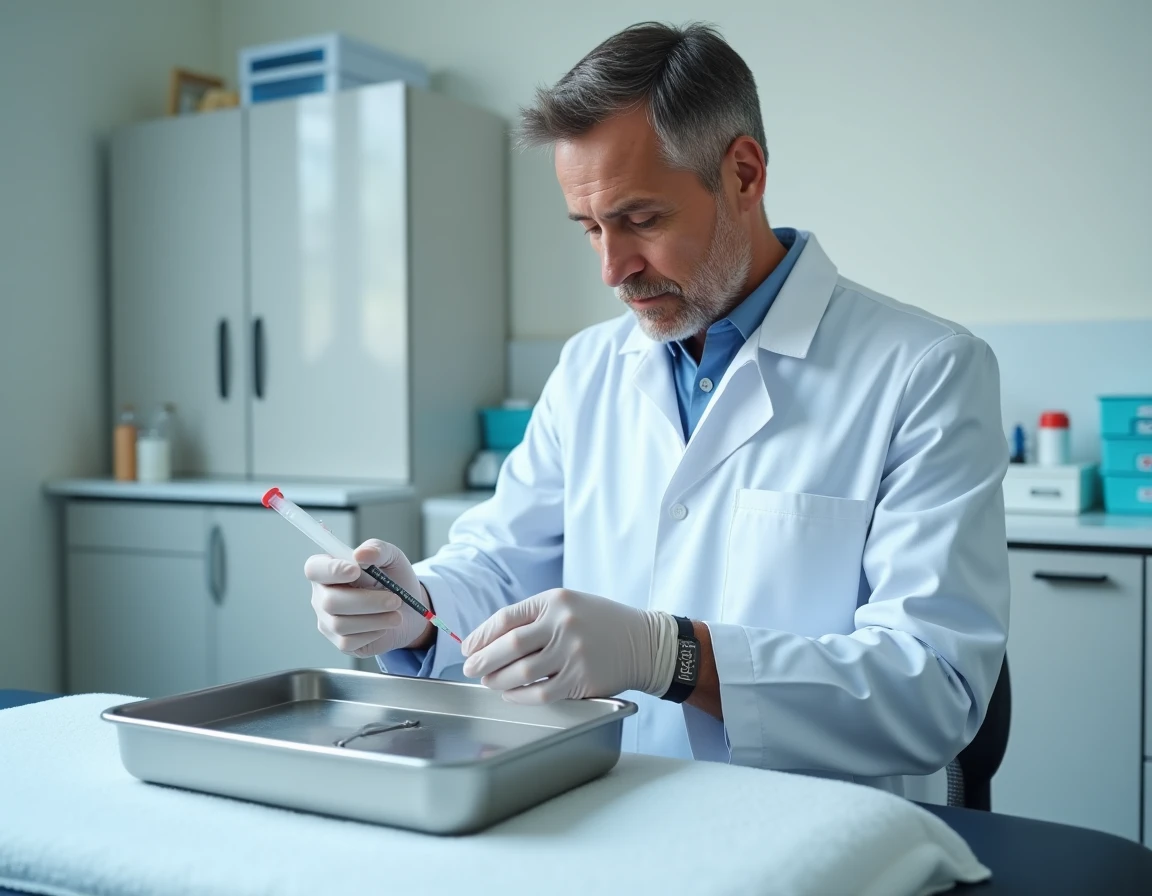
When the pain lasts, the temptation for an injection is strong. Corticosteroids relieve quickly, sometimes in a few days. The problem is: injections are not a first-line treatment. They are proposed after conservative measures (stretching, appropriate footwear, insoles, icing) have failed.
Recent medical sources remind us that their use must remain controlled. Repeating injections weakens the fat pad of the heel and the fascia itself. Going straight to injection without testing mechanical solutions is treating the symptom without addressing the cause.
6. Resuming sports at the same pace as before

The pain has decreased after two weeks of rest, and you start running again as if nothing happened. This is one of the most common mistakes. The plantar fascia takes time to heal, and returning too quickly reignites inflammation within days.
The resumption must be gradual, starting with low-impact activities (cycling, swimming) before returning to running or jumping sports. Gradually increasing the load, week by week, allows the fascia time to adapt. Resuming at the same volume as before the injury almost guarantees a relapse.
7. Ignoring mechanical overload factors
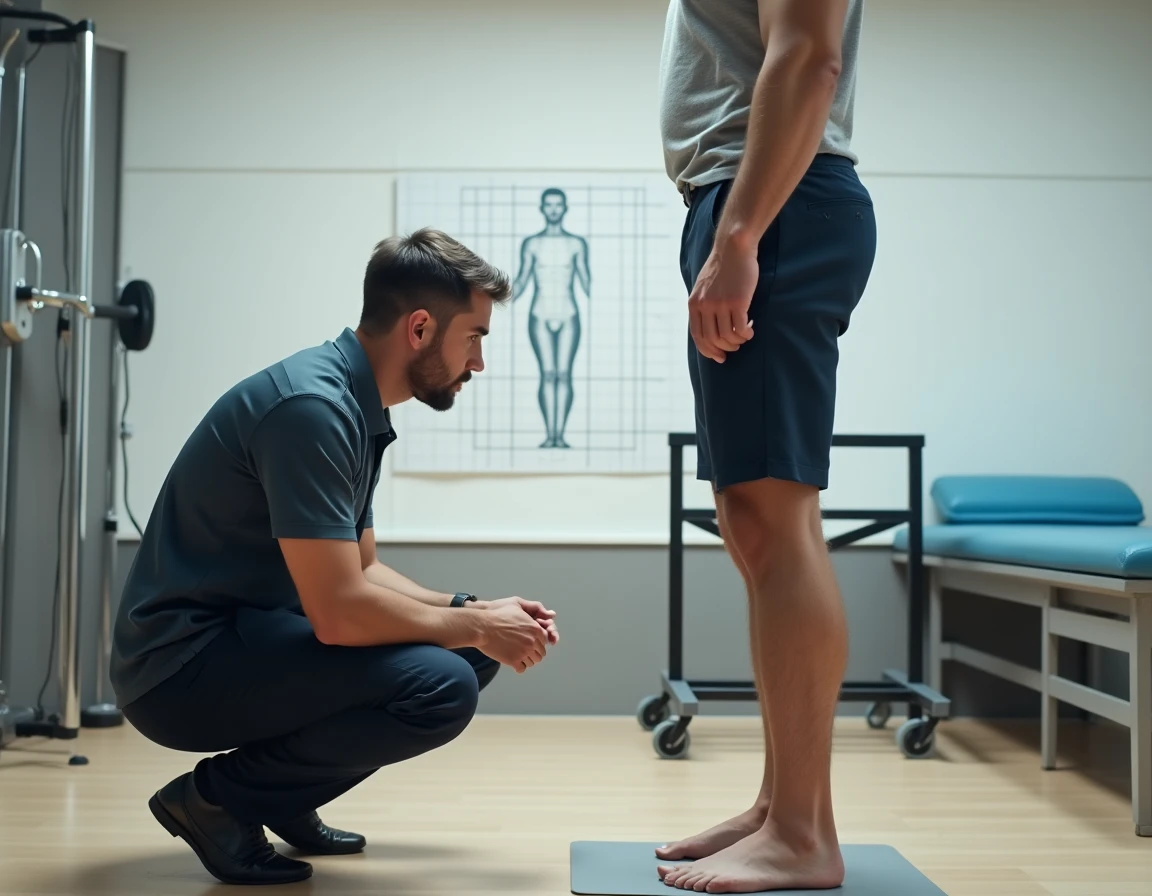
You stretch, you ice, you wear good shoes, but the pain returns. Have you looked beyond the foot itself? Overall mechanical overload maintains plantar fasciitis even when local treatments are well done.
Being overweight increases pressure on the fascia with every step. Prolonged standing on hard surfaces, a physical job, a static foot disorder (flat foot, high arch): these factors cannot be resolved with a tube of anti-inflammatory gel. Identifying them allows for the right adjustments, whether it’s custom insoles, workplace modifications, or targeted podiatric care.
Healing from a heel spur takes time, often several months. Correcting these seven mistakes does not promise immediate relief, but it prevents going in circles with pain that stagnates for no apparent reason. The plantar fascia heals when given the right conditions, not when treatments are piled up haphazardly.