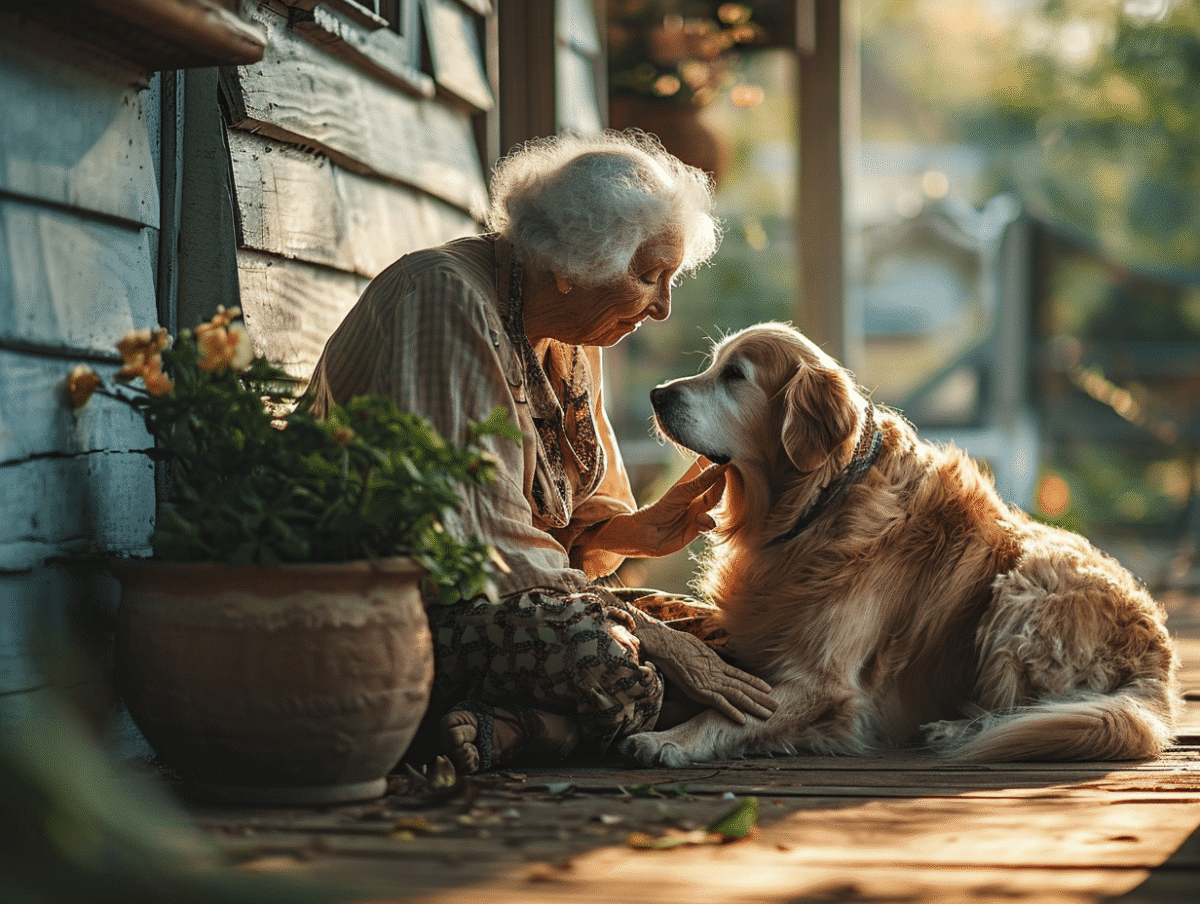
At a senior age, the companionship of a pet can be an invaluable source of comfort and well-being. The psychological and physical benefits for elderly individuals are well documented. The presence of an animal in daily life can reduce feelings of loneliness, provide a structured routine, and encourage physical activity, particularly through regular walks. The responsibility of caring for a living being brings a sense of usefulness and emotional connection. However, choosing the right animal to match one’s lifestyle and abilities is crucial for ensuring that cohabitation is a positive experience for both parties.
The Benefits of Animal Companionship for Seniors
In the chronicle of existence known as ‘Vis ma Vie de Senior’, pets hold a special place. According to data from INSEE, more than four out of ten households with individuals aged 60 to 69 share their daily lives with an animal. It is no coincidence that these four-legged, or sometimes feathered, companions are also woven into the fabric of senior life. The presence of a pet indeed brings notable health benefits to elderly individuals, acting as a balm for the soul and a stimulant for the body.
For those bearing the weight of years, an animal companion becomes a vector for staying at home, promoting autonomy through the daily responsibilities it entails. Feeding a cat, walking a dog, caring for a birdcage: these simple activities structure time, sharpen cognitive faculties, and maintain mobility. Animal-assisted therapy, now a recognized practice, also enters the debate on care for degenerative diseases such as Alzheimer’s, where the presence of an animal can help maintain temporal references and soothe behavioral disturbances.
The relationship between an elderly person and their pet transcends physical benefits to touch on the emotional. A dog that greets its owner with enthusiasm or a cat that purrs on the lap offers not just companionship: it provides unconditional love, comforting in moments of solitude or doubt, and reinforcing in the elderly the feeling of being needed, having a role, a place, and importance.
In light of this observation, society is adapting; specialized establishments such as nursing homes are increasingly accepting small animals, recognizing their role in the well-being of residents. Services like ‘Sortir Plus’ or ‘Home Veterinarian’ help facilitate the lives of these intergenerational duos, confirming that the cohabitation between seniors and pets is more than a trend: it is a component of quality of life to be preserved.
Choosing the Right Animal for Seniors’ Needs and Abilities
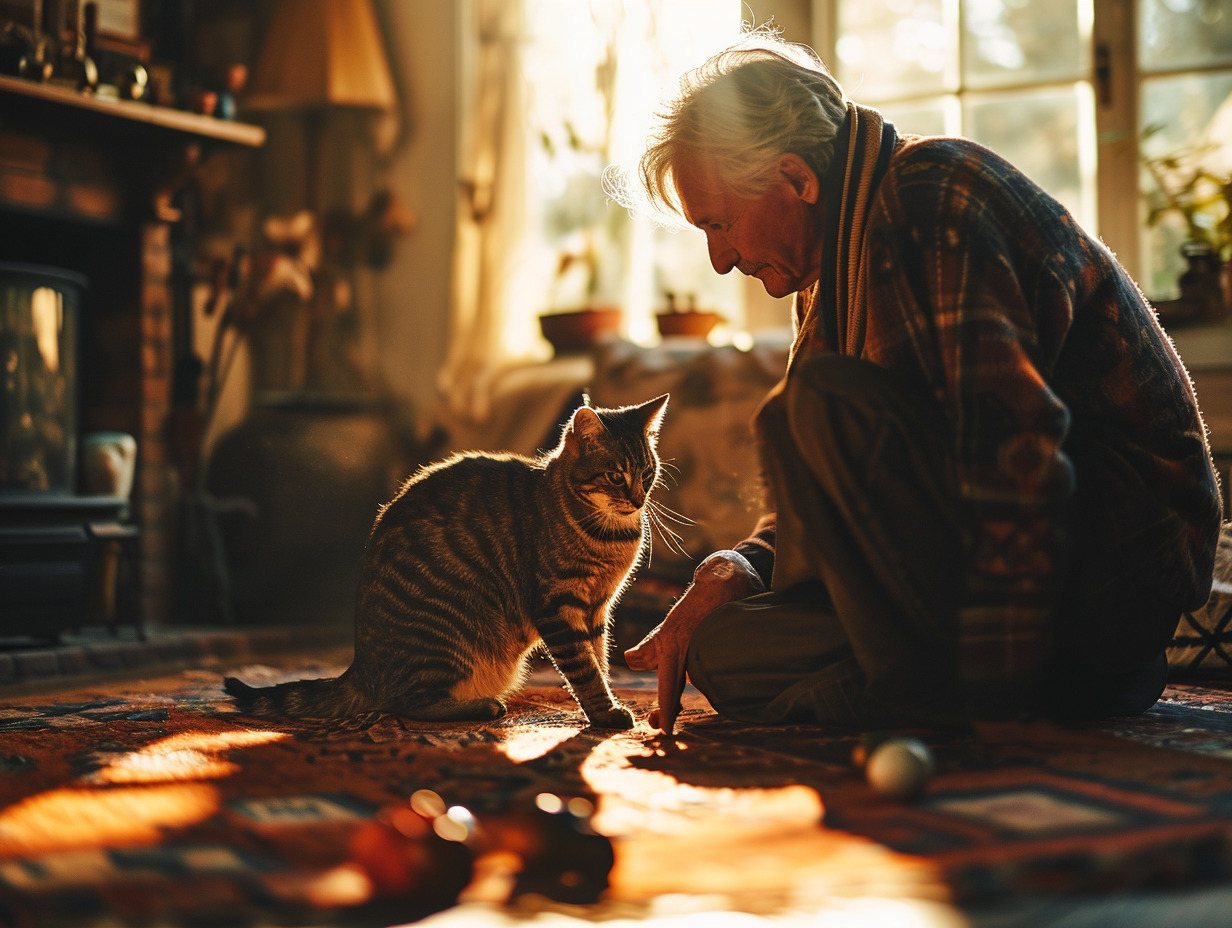
The adoption of a pet by an elderly person should not be taken lightly. Physical capabilities, living space, and emotional needs must guide this crucial choice. A dog can, for example, stimulate physical activity through regular walks, but it can also pose a challenge in terms of managing the energy and strength required to keep it on a leash. Conversely, a cat, being more independent, may suit individuals who are less mobile or who desire a more discreet and calming presence.
Some animals require less maintenance and adapt better to indoor life, such as fish, birds, or small rodents. Animals like tortoises or rabbits can also prove to be suitable companions, particularly for seniors living in apartments. Society offers support services such as ‘Sortir Plus‘ to assist with dog walking or ‘Home Veterinarian‘ to ensure the animal’s health care without the burden of travel.
Establishments such as nursing homes are increasingly integrating the presence of animals into their service offerings, recognizing the benefits of these companions on residents’ morale and autonomy. Innovative services like ‘AUTONOMIE+‘ from Malakoff Humanis further reinforce this trend by providing support to maintain a special bond between the elderly person and their pet. Choosing the right companion for a senior carries both practical and emotional dimensions, contributing to preserving well-being and independence with dignity as they age.