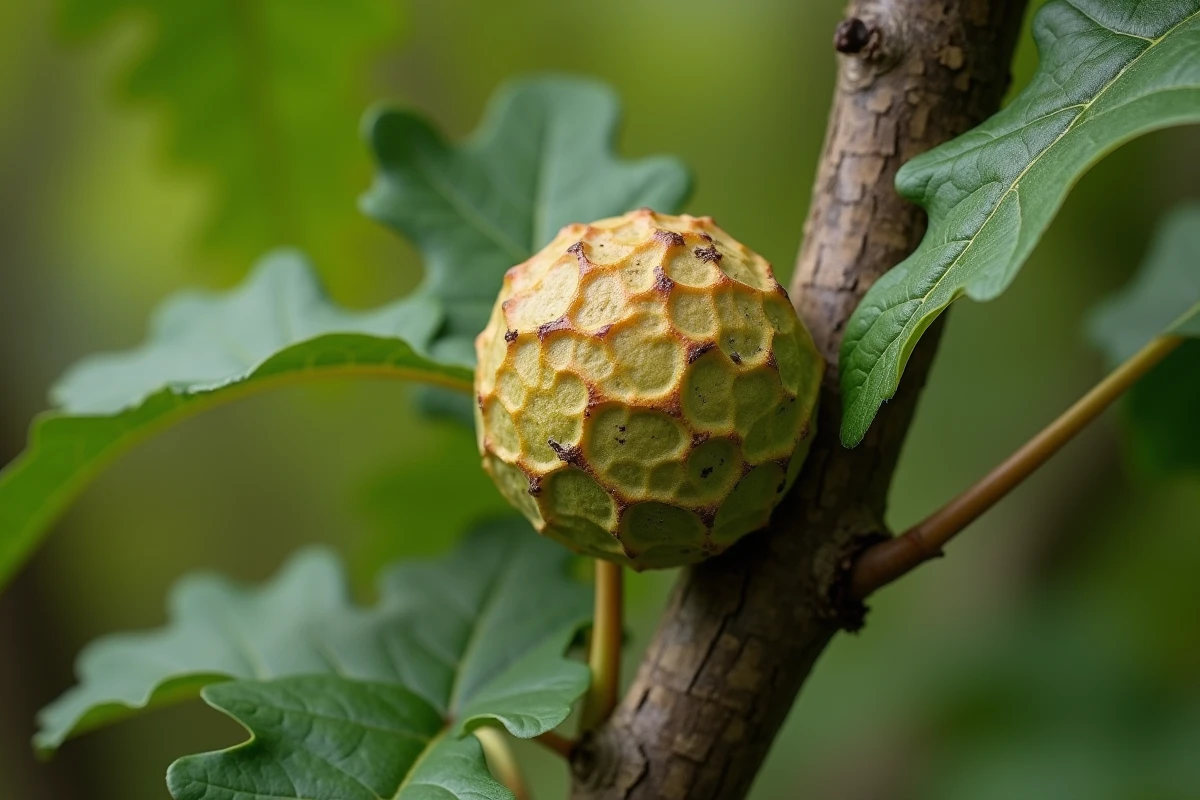
Oak galls, those rounded growths that appear on leaves, buds, or branches, are part of the French forest landscape. Their sometimes spectacular appearance, resembling a smooth ball or a small spongy apple, raises questions among walkers, gardeners, and parents who see their children picking them up. The question of health risks comes up every autumn, when the galls are most visible on the ground.
Chemical composition of galls and skin contact reactions
A gall is a modified plant tissue. The oak produces it in response to the laying of an insect, most often a hymenopteran from the Cynipidae family. The larva develops inside, protected by a structure rich in tannins.
These tannins (gallic acid, ellagic acid) are the same compounds found in red wine or oak bark used in tanning. Upon contact with the skin, they can cause slight skin dryness, similar to what one feels when handling fresh walnut shells. For the majority of people, this contact remains harmless.
The question of oak gall danger for humans deserves to be asked precisely, because the answer depends on the type of contact and the profile of the person involved. Handling a gall with bare hands does not present acute toxicity. Cases of reaction are limited to local irritations in people with sensitive skin or those with allergic backgrounds.
Allergy to oak galls: at-risk profiles and observed symptoms
The available data do not allow for a conclusion about a generalized allergic risk. However, certain profiles seem to be more exposed than others to skin reactions from prolonged or repeated contact with galls or their residues.
People concerned
- Foresters and landscapers who handle branches bearing galls daily may develop occupational contact dermatitis, related to repeated exposure to concentrated tannins
- Young children, whose skin is more permeable, are at increased risk of irritation if they put galls in their mouths or rub them on their faces
- People suffering from eczema or atopic dermatitis sometimes see their symptoms worsen after handling plant material rich in tannins
Reported symptoms remain mild: localized redness, moderate itching, dryness of the skin at the contact point. No cases of serious human infection related to oak galls have been documented in the accessible French medical literature.
Oak gall and intimate use: a practice to avoid
A distinct but often associated topic regarding the danger of galls concerns their use in powder form for cosmetic or intimate purposes. In recent years, products made from oak galls have been marketed online, promoted as a “natural remedy” for tightening vaginal tissues.
European health authorities strongly discourage this use. Applying gall powder to mucous membranes causes a harsh astringency due to the concentration of tannins. This reaction can lead to severe irritations, micro-lesions, and an imbalance of the local flora, increasing the risk of infection.
This misuse has nothing to do with accidental contact during a walk in the forest. It is a misuse that falls under medical advice, to be discussed with a dermatologist or gynecologist.
Concrete precautions in the forest and garden
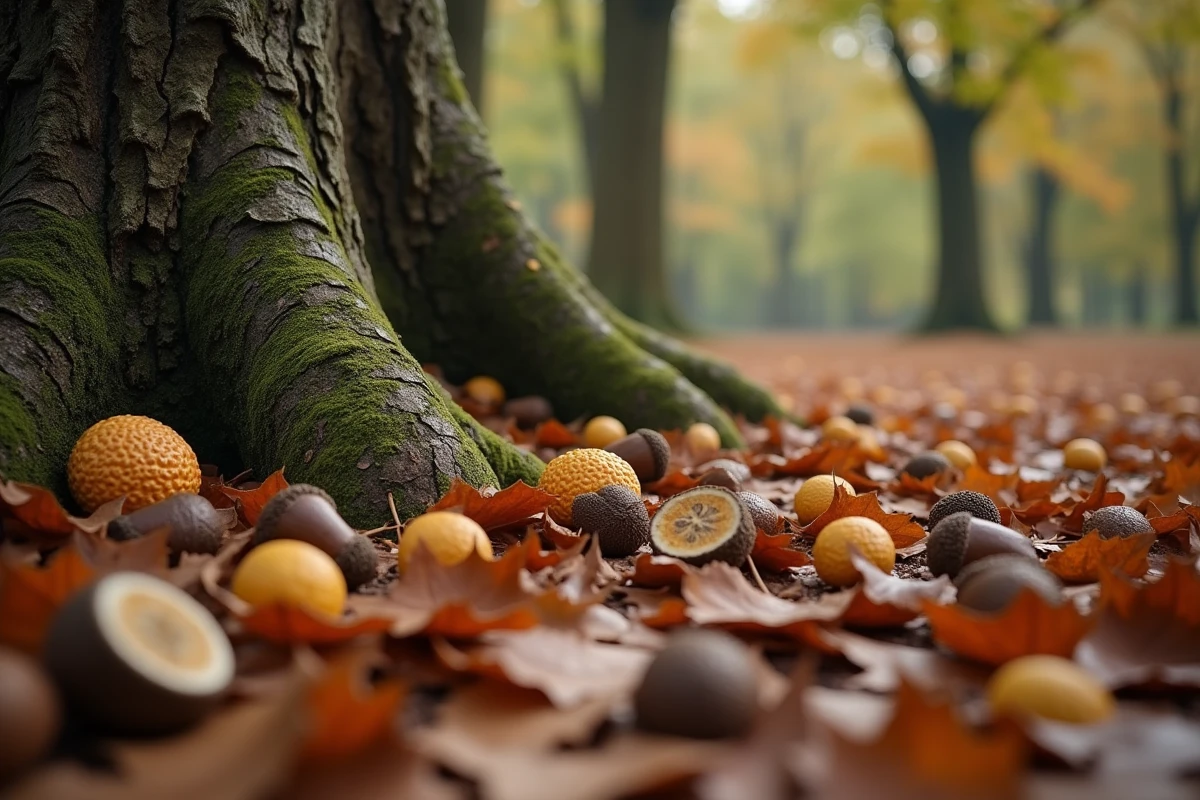
The main risk associated with galls is not the gall itself, but what may accompany it. A gall that has been on the ground for several weeks may harbor molds, larvae of other insects, or soil bacteria. It is this secondary colonization, not the original plant structure, that justifies a few simple precautions.
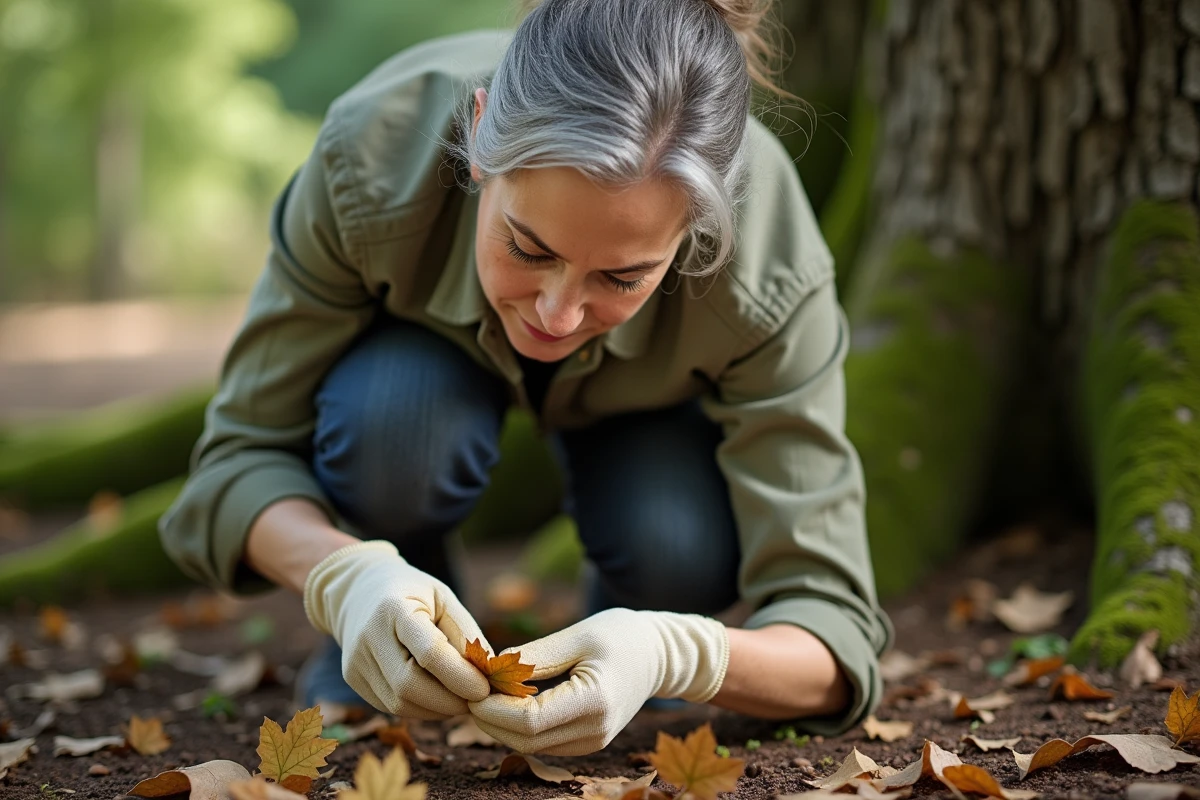
- Wash hands after handling galls, especially before eating or touching the face
- Avoid letting a child put a gall in their mouth, as a precaution against molds and soil residues
- Do not crush fresh galls with bare hands if the skin is damaged or has cuts, as concentrated tannins can cause a burning sensation on an open wound
- In case of persistent redness after contact, rinse with clear water and consult a doctor if symptoms do not disappear within 48 hours
Galls contain neither venom nor pathogens transmissible to humans. The cynipid larva, even if accidentally ingested, does not cause human parasitism. The biological cycle of these insects is strictly linked to the oak.
Should you treat an oak covered in galls in your garden?
The presence of galls, even in large numbers, generally does not weaken a healthy adult oak. The tree produces these tissues as a localized immune response, without compromising its overall growth.
A young oak or one already weakened by drought may show signs of stress if the infestation is massive. In this case, pruning the most affected branches in winter remains the only recommended intervention. The use of plant protection products against cynipids is neither effective nor authorized in a domestic setting in France.
Galls are part of the oak ecosystem. They serve as a refuge for dozens of species of beneficial insects (parasitoids, predators) that participate in the natural regulation of pest populations. Systematically removing them impoverishes local biodiversity without any health benefit for the tree or its human occupants.
The oak gall remains more an object of curiosity than a medical concern. Occasional contact does not warrant any alarm. The only situations that call for vigilance concern misuses on mucous membranes and repeated occupational exposures, two scenarios far removed from a simple walk in the forest.