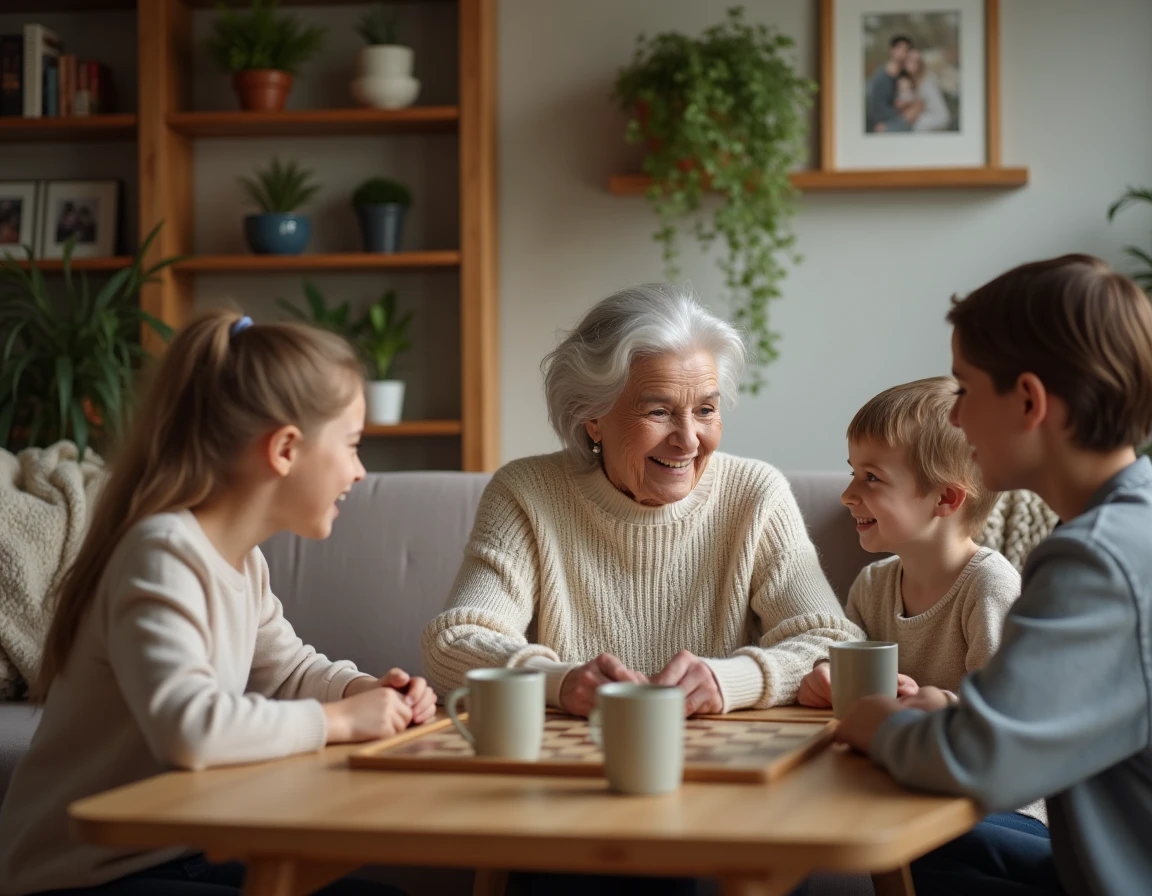
The well-being of seniors is not limited to medical follow-ups or a suitable diet. Family presence, in sometimes very ordinary forms, conditions the emotional balance and overall health of elderly individuals. Research conducted after the health crisis in France and Europe confirms that the frequency and quality of interactions with loved ones have a measurable effect on depression and certain cognitive functions both in facilities and at home.
Mental health of family caregivers: a blind spot in senior well-being
When talking about family and seniors, the reflex is to focus on the elderly person. Family caregivers, on the other hand, remain in the shadows. Several recent studies point out that the psychological well-being of caregivers is often overlooked in support systems, even though it directly affects the quality of the relationship with the senior.
An exhausted, anxious, or isolated caregiver eventually reduces their visits, loses patience, or develops health issues themselves. The spiral then affects both parties. Feedback from the field varies on this point: some families find a sustainable balance, while others collapse within months due to a lack of support.
Since 2023, caregiver cafés supported by the French Caregivers Association and retirement funds have multiplied across the territory. These local support groups allow relatives of seniors to exchange and feel supported.
Their internal evaluations show a decrease in family isolation that positively impacts the bond with the elderly person.
To better understand the family dynamics surrounding aging, one can discover family on Le Senior des Années and find additional resources there.

Visits in nursing homes and at home: what quality changes concretely
The frequency of visits matters, but it is not enough. French and European studies published after the health crisis show that the quality of family visits has a measurable effect on depression and on certain cognitive functions of residents in nursing homes or service residences.
A twenty-minute visit spent silently looking at a phone screen does not have the same effect as a conversation about shared memories, a walk in the facility’s garden, or a simple activity done together. The difference lies in emotional engagement.
What distinguishes a useful visit from a routine visit
- Preparing a conversation topic or bringing a familiar object (photos, book, music) that triggers an active exchange rather than a monologue
- Adapting the duration to the senior’s fatigue level: a short but attentive visit is better than a long and distracted presence
- Involving the senior in a decision, even a minor one (choosing dessert, planning the next outing), to preserve their sense of autonomy
- Informing the care staff of what was observed during the visit, to create a link between the family and the care team
These gestures require neither medical expertise nor a special budget. They require regularity and attention.
Digital tools for intergenerational connections: promises and limits
Since 2023, several experiments have tested digital devices designed to maintain the connection between seniors and families who are geographically distant. Simplified tablets, video conferencing applications adapted for visual or cognitive impairments, connected photo frames that receive images sent by grandchildren: the offerings are diversifying.
Digital does not replace physical presence, but it fills the gaps between two visits. For a senior in a nursing home whose children live hundreds of kilometers away, a weekly video call maintains a connection that the phone alone cannot always sustain, especially when hearing declines.
Persistent barriers
Adoption remains uneven. Many seniors do not master the interfaces, even simplified ones. Staff in nursing homes do not always have the time to assist each resident in using a tablet. The available data does not yet allow for conclusions about the long-term effectiveness of these tools compared to in-person visits.
However, feedback from families who regularly use these devices indicates an improvement in the senior’s morale between visits and a reduced sense of guilt among distant relatives.
Social life and family: a balance to build beyond the family circle
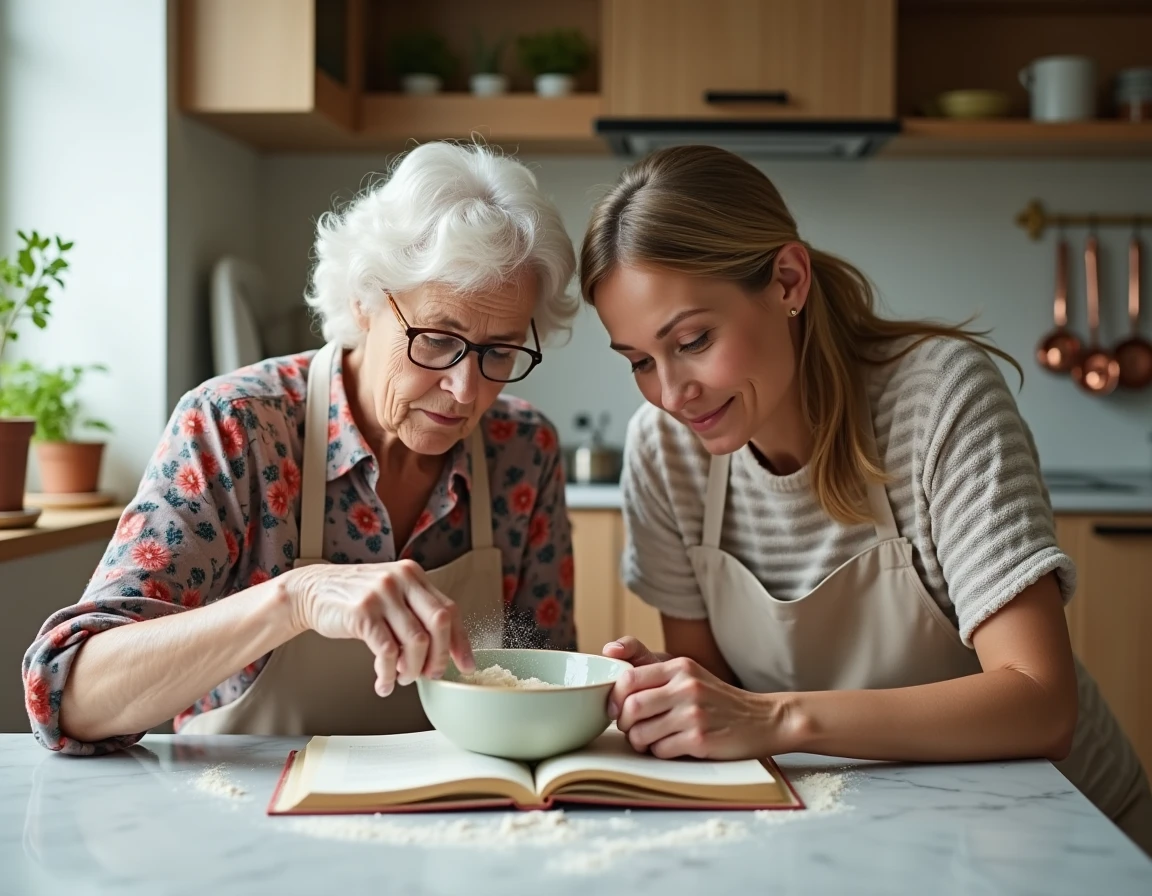
The family plays a central role, but the well-being of seniors also relies on the diversity of their social life. A senior whose only human contacts are family members finds themselves in a fragile situation if a loved one falls ill, moves, or distances themselves.
Activities offered by retirement funds, local associations, or service residences (memory workshops, walking groups, cultural activities) create a complementary network. The family can also facilitate access to these activities by accompanying the senior during the first sessions, enrolling them, or simply valuing their participation.
- Identifying preventive activities offered by the senior’s retirement fund (nutrition workshops, adapted physical exercise, cognitive stimulation)
- Encouraging participation in support groups or caregiver cafés when the senior is themselves a caregiver for a spouse
- Maintaining a connection with the neighborhood, which often constitutes the first safety net at home
A senior surrounded by their family and integrated into a local social network has a double layer of protection. One does not compensate for the other, but their combination significantly reduces the risk of isolation and its consequences on health.
The role of the family in the well-being of seniors is not limited to good intentions. It requires attention to the quality of exchanges, concrete support for caregivers, and openness to external resources. Systems exist, from caregiver cafés to adapted digital tools. It is essential to mobilize them regularly, without waiting for the situation to deteriorate.