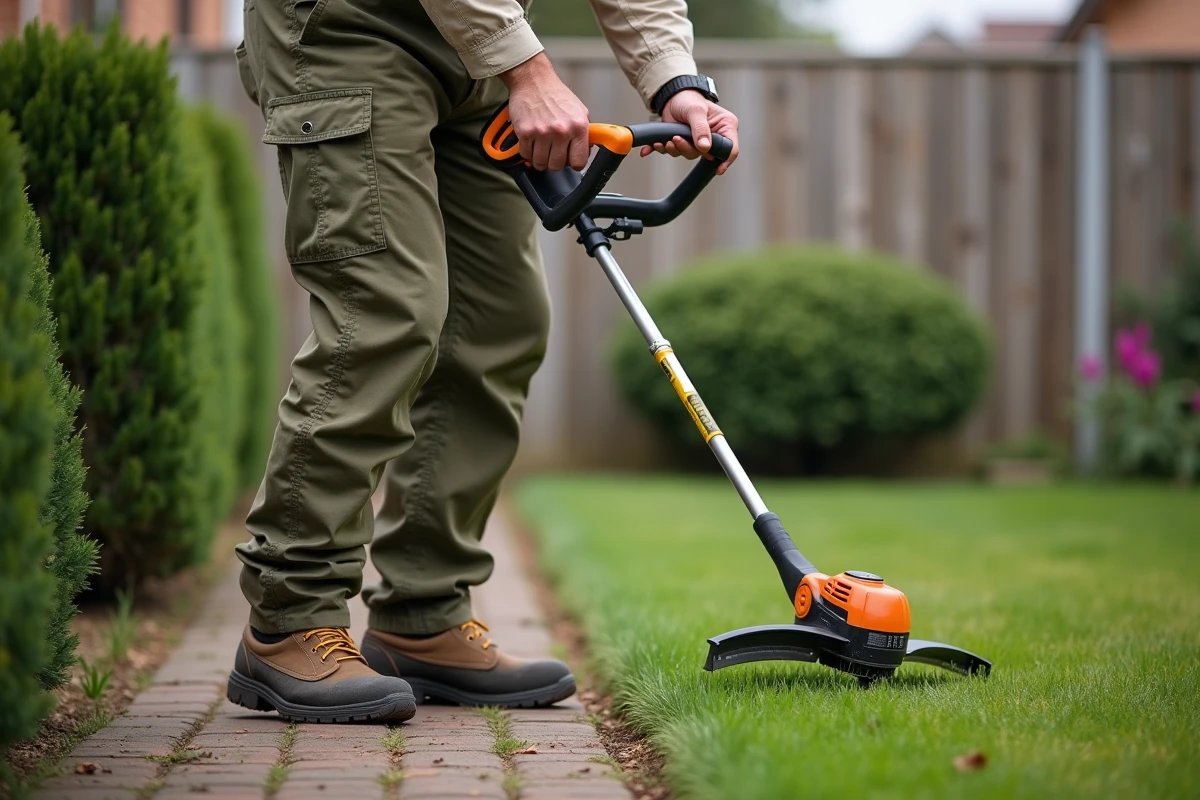
When faced with a bank overrun with tall grasses or a simple border to refresh, you don’t use the same tool. The string trimmer and the brush cutter may look similar, but their cutting capacities, weight, and areas of use have little in common. Understanding what separates them prevents you from buying an oversized machine for borders or, worse, an undersized one for a neglected area.
Warranty and customer service coverage: a criterion imposed by the terrain before purchase
We rarely think about it before checking out, but the extended warranty contracts sold by major retailers (Leroy Merlin, Castorama) now clearly distinguish between the string trimmer and the brush cutter. Since 2023, several warranty extensions exclude damage related to cutting woody plants (brambles, young shrubs) for devices classified as “string trimmers,” even if a more aggressive head has been mounted.
In practical terms, if you use a string trimmer to tackle brambles and it breaks, the extended warranty may refuse coverage. This point changes the game at the time of choice: the tool must correspond to the actual work, not just the budget.
To clearly understand the difference between a string trimmer and a brush cutter, we can start from a simple criterion: the type of vegetation you most often face in your garden.
String trimmer or brush cutter: motorization and power against the terrain
The string trimmer, also known as a lawn edger, is a lightweight device designed for finishing. It operates with a thin nylon line and a moderately powered motor, often electric or battery-operated. Its role is to cut soft grass along paths, around trees, at the foot of fences, where the mower cannot reach.
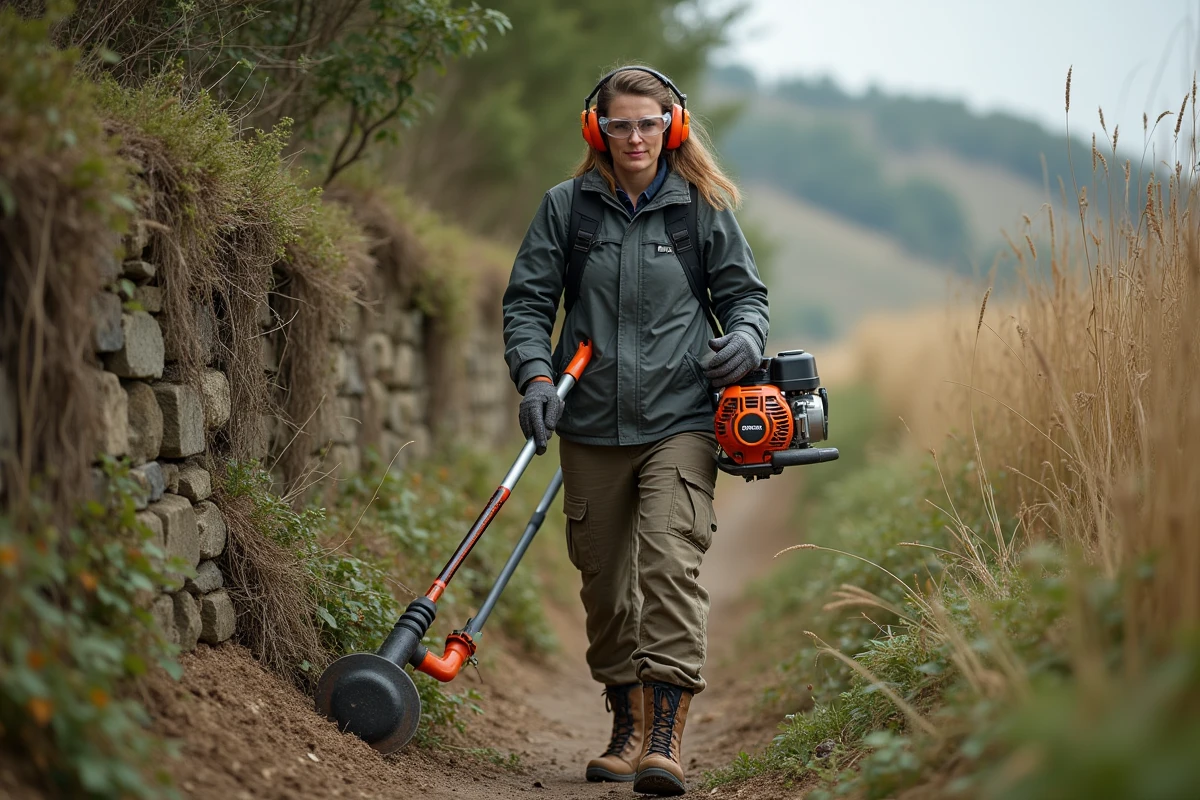
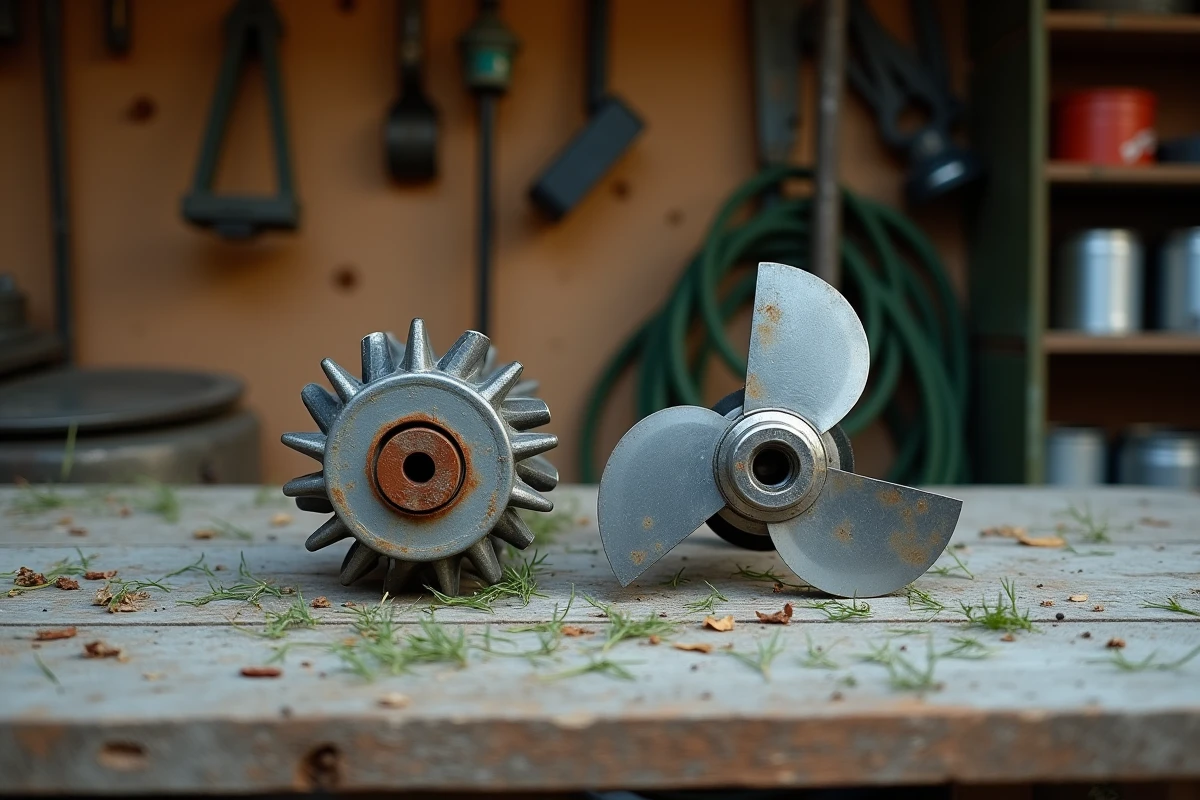
The brush cutter, on the other hand, features a significantly more powerful motor (gasoline, high-capacity battery, or corded electric depending on the range). It accepts various accessories: thick nylon line, metal blade or brush cutting disc. It is used to clear neglected land, cut tall grasses, brambles, or even young shrubs.
- The string trimmer is suitable for regular finishing on maintained lawns, with a weight that allows for one-handed operation without excessive fatigue.
- The brush cutter is necessary as soon as the vegetation exceeds knee height or when woody stems appear in the area to be treated.
- A battery-powered string trimmer often falls below the noise nuisance thresholds tolerated in residential areas, while a gasoline brush cutter is subject to strict time restrictions on Sundays and in the evenings.
Noise regulation: gasoline vs. battery in residential areas
Since 2022, several French municipalities have tightened their regulations on the noise from gardening tools. Article R1334-31 of the Public Health Code regulates neighborhood noise, and cities like Lyon or Nantes have adopted local ordinances that significantly restrict the use of gasoline brush cutters on weekends and in the evenings.
Battery-powered string trimmers, whose noise level remains well below that of a gasoline engine, are more widely tolerated in certain residential areas. If you live in a densely populated neighborhood, this factor weighs as heavily as power in choosing the tool.
Feedback on this point varies by municipality, as each town hall sets its own time slots. Before investing in a gasoline brush cutter, it’s wise to check the current municipal ordinance.
Safety and terrain risks: adapting the tool to the actual cut
Accident statistics published in recent years show that serious injuries to the legs and eyes are linked to metal heads mounted on brush cutters. A string trimmer equipped with a simple nylon line presents a much lower risk, provided you wear protective glasses against flying debris.
On the ground, the rule of common sense can be summed up in one sentence: do not mount a blade on a lightweight device, and do not settle for a nylon line against thick brambles. The wrong pairing of tool/vegetation is the primary cause of material breakage and injury.
Choosing between a string trimmer and a brush cutter based on your garden
For a modest-sized garden, maintained weekly, a battery-powered string trimmer is more than sufficient. It is maneuverable, quiet, and requires almost no mechanical maintenance. Brands like Stihl or Husqvarna offer battery models that are interchangeable with their other garden tools, reducing the overall cost of the equipment.
As soon as you face a sloped terrain, a plot left unattended for several months, or semi-woody vegetation, the brush cutter becomes the appropriate tool. Its motor power, carrying harness, and cutting accessories allow for prolonged work without straining the arms.
The choice between the two does not present itself as a dilemma. Many gardeners end up owning both, as they cater to different situations. One does the finishing work, while the other handles the heavy-duty tasks. Confusing their uses leads to premature wear of one or unnecessary fatigue with the other.