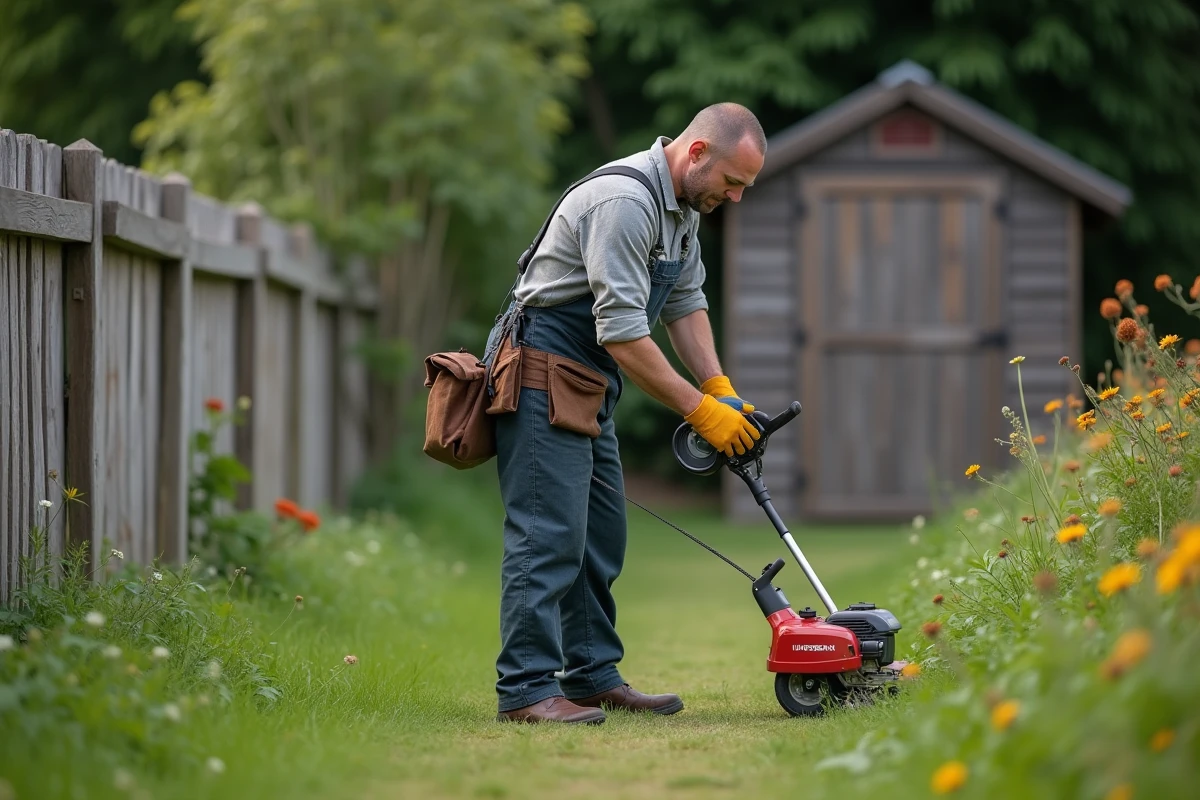
Dense vegetation often resists standard tools, even the most powerful ones. A standard nylon line wears out quickly on brambles or thick grasses, while a steel blade can damage young trees or fences. The choice between line and blade depends not only on the type of vegetation but also on the frequency of use, safety, and compatibility with the device. Manufacturers sometimes impose technical restrictions, making certain accessories incompatible with seemingly similar models. Knowing the advantages and limitations of each option helps avoid mistakes and unnecessary expenses.
Line or blade: what are the differences for maintaining your garden?
The brush cutter adapts to the requirements of the terrain. You have two options: nylon line or steel blade. Each system has its preferred uses. The nylon line excels for soft grasses, borders, and fine regrowth. Its flexibility protects obstacles and limits risks around fences or trees. The line heads, which are easy to reload, are perfect for regularly maintained plots. There are several diameters, from simple round line for lawns to serrated shapes designed for tougher grasses.
But as soon as the vegetation becomes denser, with brambles and underbrush taking hold, the brush cutter blade takes over. Its sharp edge bites into thick stems and cuts young woody shoots. Several variants exist: two to four tooth knives, mulching blades, circular saw-like discs for forestry work. Their robustness, made of hardened steel or specific alloys, ensures a longer lifespan than that of the line. However, be cautious of debris projections and rebounds on stones or fences: caution is essential.
Consulting the differences between line and blade for brush cutters allows you to adjust your maintenance strategy. Type of vegetation, frequency of intervention, nature of the terrain, brush cutter model: each parameter matters. A lawn maintained every month will benefit from the speed of the line, while a fallow land will require the robustness and power of a blade.
What criteria to choose the most suitable brush cutter line for your needs?
Diameter, shape, and material: three pivots for a controlled choice
The diameter of the line determines the cutting capacity. For fine grasses, aim for a nylon line of 1.3 to 2 mm. Tougher vegetation, such as tall grasses or certain regrowths, requires a larger diameter, sometimes up to 3.5 mm for the most powerful machines. In other words, the brush cutter line should be chosen according to the density of the vegetation to be tamed.
Here are the main profiles of line that we encounter, each with its advantages:
- Round line: effective for regular maintenance, it combines speed and flexibility.
- Serrated or twisted line: it cuts cleaner, ideal for tall or tough grasses.
- Helical line: it reduces noise, offers better penetration in the air, and is suitable for long sessions.
The length of the line, determined by the spool, influences autonomy in the field. An appropriate head limits recharges and optimizes efficiency. Also consider the power of the machine: a line that is too thick on a low-powered motor strains the tool, while a line that is too thin wears out too quickly on a large brush cutter.
Choose a nylon line known for its strength, which resists abrasion well, and is compatible with your current head. References like the serrated brush cutter line or helical are designed to meet specific uses, depending on the nature of the terrain and the intensity of the work.
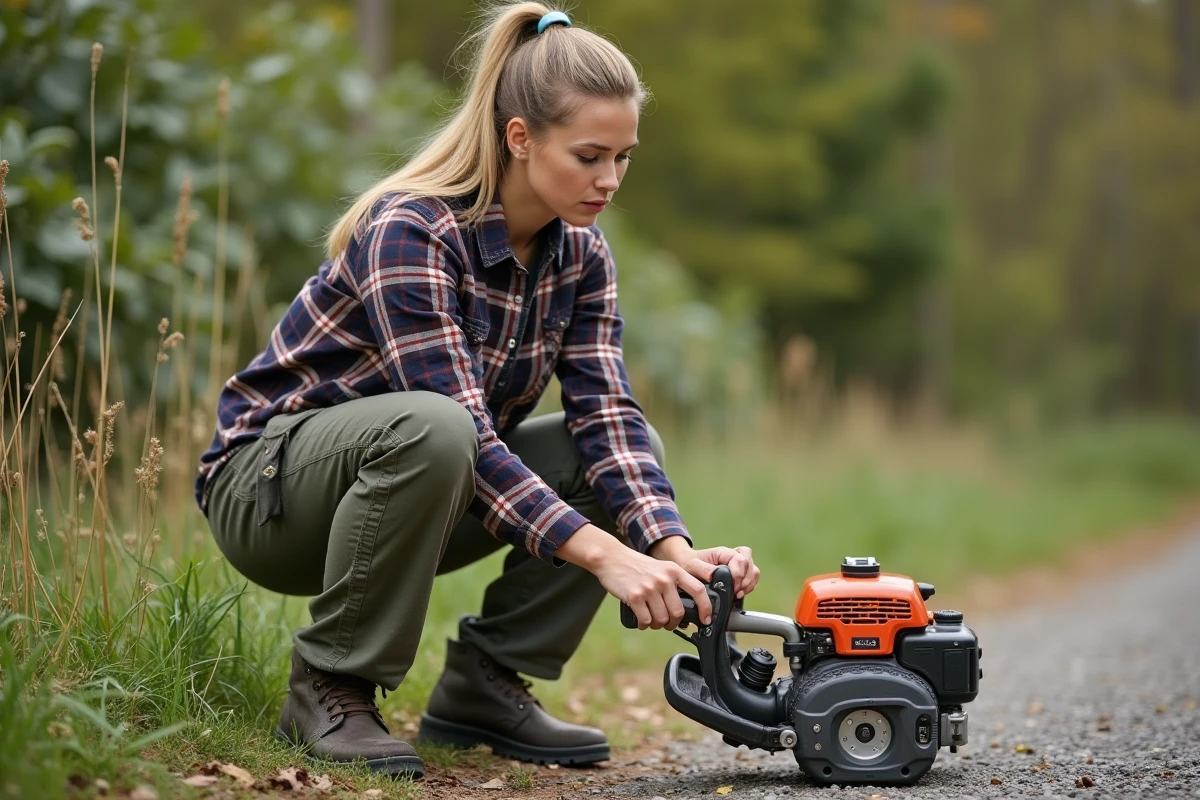
Practical tips for an informed choice and optimal use
Adapt the tool to each terrain
To harness the full potential of your brush cutter, start by observing the terrain and the vegetation to be worked on. Fine grasses, open meadows, tender regrowth: the nylon line allows for quick intervention without weighing down the action. If the terrain is covered with thick underbrush, brambles, or young shrubs, the brush cutter blade is necessary for effective progress.
In practice, adapt the head according to the targeted area:
- Use a line head for all finishing touches, passages along fences, or around fragile trees.
- Prefer a knife or blade head if the vegetation proves stubborn: brambles, nettles, young woody shoots.
Maintain and secure your tools
Regular maintenance extends the lifespan of heads, lines, and blades. Regularly check the condition of the gearbox, lubricate moving parts, and remove grass and debris after each session. For your safety, always equip yourself with goggles, gloves, and noise-canceling headphones, even for small jobs.
The majority of modern models offer a Tap & Go (or tap line) system: a simple gesture on the ground allows you to release line without unnecessary stopping. This system speeds up work and reduces fatigue. With a battery-powered brush cutter, monitor the autonomy to avoid interruptions in the middle of tall grasses.
Before each intervention, take the time to consult the manual of your device. You will find all the information on the compatibility of parts, the assembly of heads, or the engine settings to adjust according to use. A simple gesture that avoids many inconveniences.
Faced with the diversity of terrains and vegetation, choosing between line and blade is a real arbitration. Well-equipped and informed, each user can transform the chore of brush clearing into a controlled operation. The garden is just waiting for one thing: to regain its neatness, between docile grasses and defeated brambles.