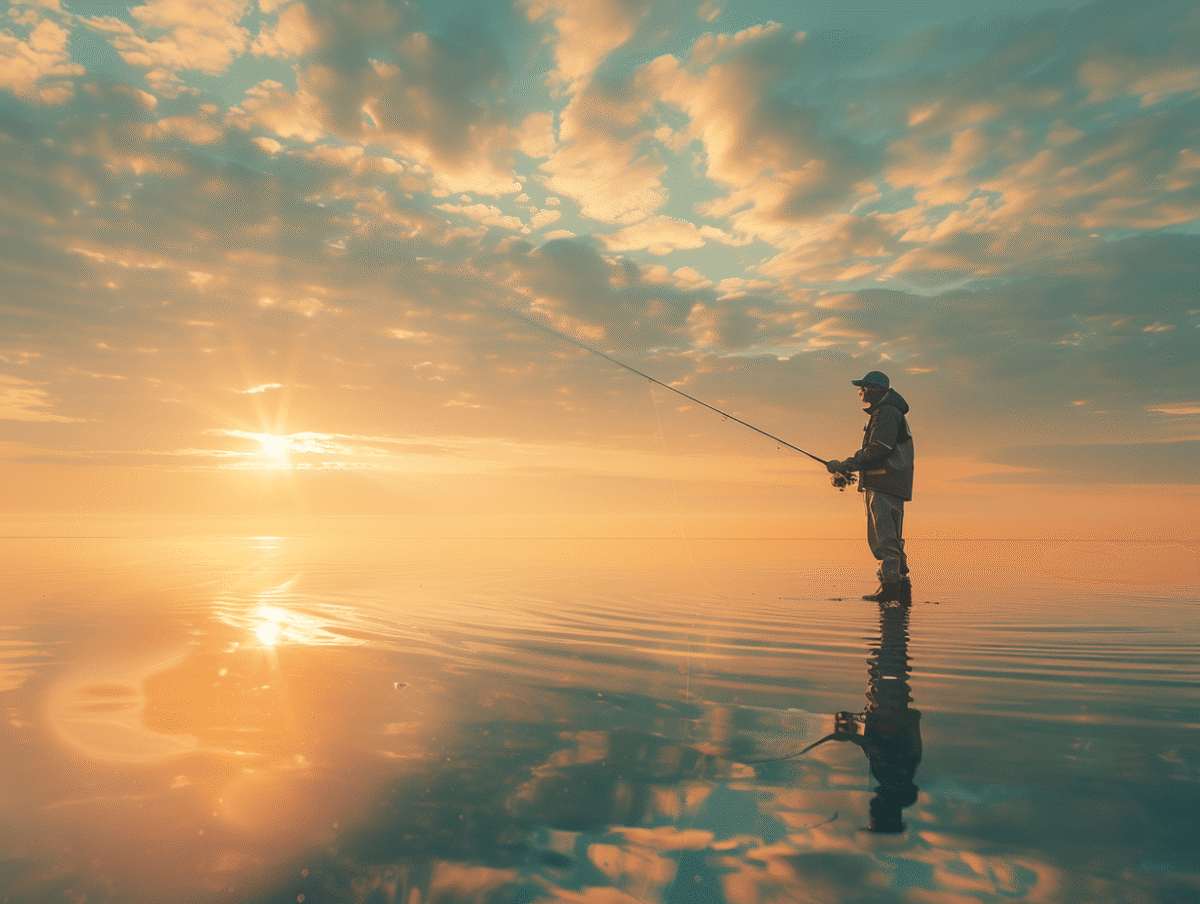
The art of fishing for bass from the shore is not something that can be improvised. It requires a fine understanding of the marine environment, knowledge of the behaviors of this cunning fish, and mastery of specific techniques. Experienced anglers know well: the choice of equipment, the selection of bait, understanding the tides, and knowledge of fishing spots are crucial. Whether on wave-swept beaches, steep cliffs, or peaceful estuaries, deciphering the secrets of bass is a blend of science and instinct, a subtle symphony played to the rhythm of the waves.
Strategies and Techniques for Successful Bass Fishing
To catch the bass, a wary and clever fish, a sharp strategy must be deployed. The approach should be thoughtful, anticipating the predatory nature of the bass, which often hunts at the periphery and whose feeding activity is concentrated in specific areas. Find the anomaly in the marine landscape, that disturbance where the fish might hide or feed. Nourishing currents attract the bass’s prey, and thus the bass itself. Watch for these privileged areas and cast your lure with precision.
The use of lures is a proven method in bass fishing. Among the best lures are the swimbait, effective for its ability to mimic the swimming of a small fish. Lunker City models or surface lures offer an interesting alternative, capable of provoking spectacular strikes. Soft lures, like Flashmer shads, should also be favored for their versatility and effectiveness in cranking or power fishing.
The anomaly tactic requires a perfect knowledge of underwater structures, these natural shelters where bass like to hide. Rocks, wrecks, or variations in the bottom are potential hiding spots for your prey. A good shore fishing setup for bass takes these elements into account, allowing for effective exploration of the most promising nooks without sacrificing your gear to the roughness of the seabed.
Your fishing success also depends on your ability to understand and adapt to environmental conditions. Light plays a key role, influencing bass activity, just as water temperature affects oxygen levels and, consequently, fish activity. Therefore, pay attention to these factors and choose fishing times when these conditions will be most favorable.
Choosing Equipment and Best Practices for Shore Bass Fishing
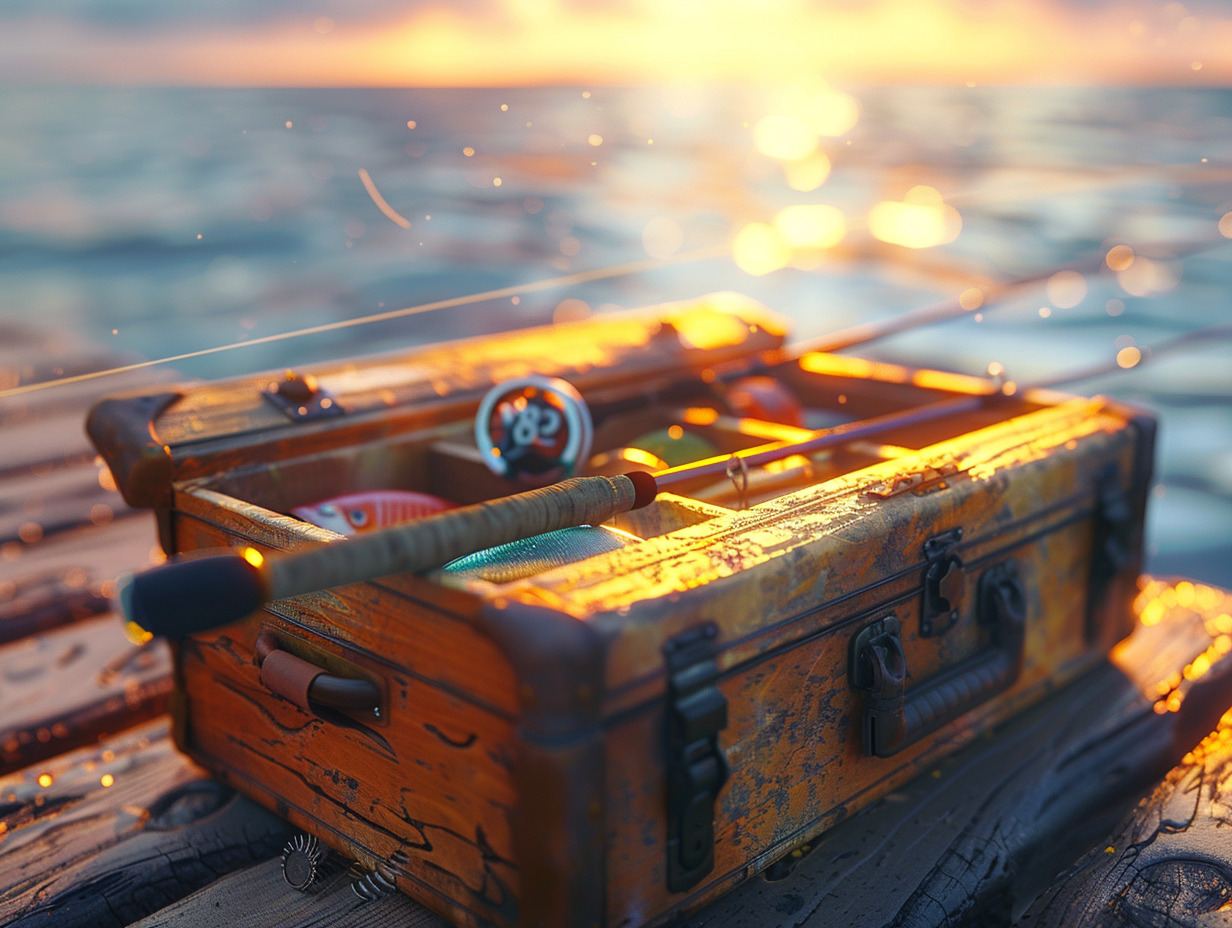
Selecting an appropriate rod is the first step toward success. A rod around 3 meters long, combining flexibility and power, will allow for long casts without losing precision. Pair it with a sturdy reel, capable of handling the fight with a bass. A size 4000 reel, with good line capacity and a smooth drag, proves to be a wise choice.
As for lures, diversity is key. The Flashmer shad, Lucky Craft, or Tide Minnow are recognized references for their formidable effectiveness. However, the choice of lure depends on the technique used and, of course, the sea conditions. The Drag Metal Cast is also a must-have for its performance in casting and retrieving.
Don’t forget to adapt to the light and water temperature conditions that govern bass activity. Warmer water and suitable light conditions increase your chances of success. The Bay of Morlaix is an example of a location conducive to bass fishing, where these conditions are often met. Take these elements into account to adjust your gear and techniques, ensuring fruitful sessions by the sea.