
Cancelling an EDF contract in a hurry, cutting off the power too soon, or forgetting a meter reading can lead the landlord into a series of complications they hadn’t anticipated. What may seem like a formality—stopping the electricity between two occupants—can sometimes turn into an administrative headache, or even a dispute over actual consumption or the condition of the property. Add to this the prospect of a reconnection in a space that has been empty for months, aging installations, and difficult access… and the simple rental transition takes on the appearance of an obstacle course. Certain obligations further complicate the process: it may happen that the landlord must bring the installation up to standard before any reactivation, which adds to the complexity of the handover between two leases.
Who pays for electricity between two rentals? Responsibilities and points to watch
With each change of tenant, the question of who pays for electricity comes up like a refrain. The electricity contract is in the tenant’s name: the outgoing tenant must terminate their subscription with their supplier on the exact date of their departure, after taking a reading of the electric meter. This reading, attached to the inventory, protects all parties against potential disputes over the bill or consumption.
Until the end of the lease, the tenant remains liable for every kilowatt consumed. The expenses incurred before termination belong to them. As for the new arrival, they must take the initiative: subscribe to an electricity contract in their name before moving in. Failing to do so, they risk finding themselves in a property without power, as the supply can be cut off without notice. It is impossible to transfer a contract from one person to another: each tenant must start anew.
And what about the landlord in all this? Their role remains in the background, unless they have planned renovations between two leases. In this case, they must open a temporary contract in their name to cover the intervention period. An important note: cutting the EDF meter between two tenants is not automatic. Depending on the situation, lack of a contract, necessary technical intervention, choice of manager, the procedure varies. To clarify things, it’s best to consult “Cutting off electricity before the inventory: what you need to know – Exact Immo.”
The meter reading serves as a compass to accurately allocate consumption between the old and new tenant. This step, too often overlooked, is the only solid basis in case of dispute. Being rigorous on this point avoids many disappointments and clearly establishes each party’s share.
Cutting off or leaving the EDF meter open: what risks and precautions to take before the inventory?
Deciding whether to cut off the EDF meter between two rentals is not trivial. This choice engages the responsibility of the landlord, that of the network manager Enedis, and sometimes even that of the tenant leaving the premises. Enedis does not systematically cut off the supply when changing tenants: it can simply reduce the power to 1 kVA, limiting usage but maintaining a minimal supply. This method secures the installation while facilitating the transition from one occupant to another.
The arrival of the Linky meter has disrupted practices: now, the activation or cut-off can be done remotely, which reduces delays and avoids many physical interventions. However, any manipulation of the meter remains the prerogative of Enedis: the landlord does not have the right to intervene themselves, let alone cut off the electricity of a tenant in place. Any abusive cut-off is subject to prosecution.
Before organizing the inventory, it’s important to be methodical. Here are the points to check:
- Check the electric meter reading; it allows for the consumption to be attributed to the correct person.
- Ensure that the outgoing tenant has indeed terminated their contract with their supplier.
- If work is to be expected, open a temporary contract in your name to maintain electricity during the interventions.
For the gas meter, managed by GRDF, the rule is clear: systematic closure between two rentals. Safety takes precedence over any other consideration; no tolerance is allowed in the face of uncontrolled supply risks.
Reconnection, meter change: simple steps for a fresh start
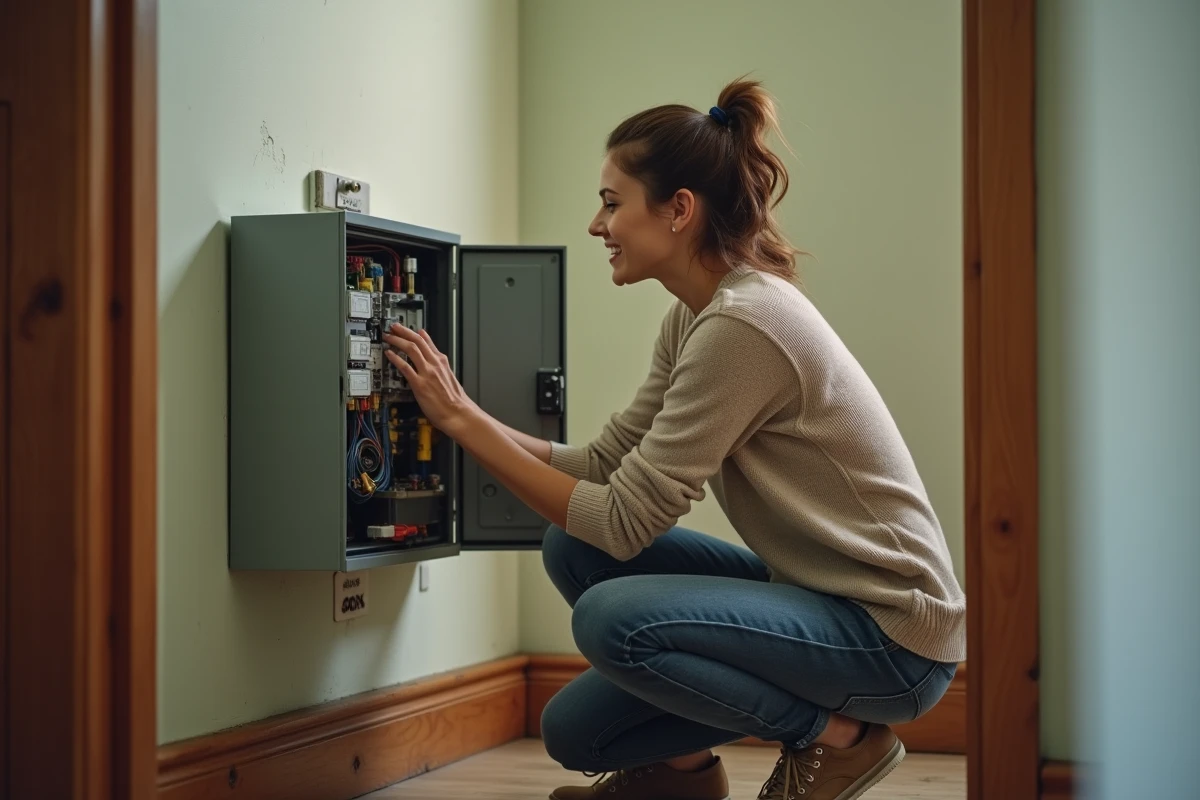
The reconnection of the electric meter always precedes the arrival of a new tenant. It is up to them to choose their supplier, subscribe to a new contract, and provide all necessary information: reading, Delivery Point number (PDL), and housing details. With the Linky meter, activation speeds up: 24 to 48 hours is generally sufficient, sometimes less if no on-site intervention is required.
The manager Enedis starts the procedure as soon as the supplier submits the request. The connection fees are always borne by the incoming tenant, without exception. On the technical side, a meter change, if necessary, follows a precise protocol: appointment, compliance check, adjustment to the expected power. But with Linky, physical interventions have become rare: remote configuration is sufficient for most situations.
The electricity offer has diversified: regulated rates, indexed prices, green formulas… Before signing, it is better to compare pricing conditions, contract flexibility, and the source of the energy. One point of vigilance: the contract’s effective date must align with the start of the rental to avoid any unexpected cut-off. Finally, the inventory report, signed by all parties, remains the safeguard against billing disputes.
When handing over, it is better to lock everything down than to have to fix things afterward. Electricity does not forgive sloppiness or improvisation: at each transition, attention to detail makes all the difference.